

Choosing uPVC Fascia and Soffit Fitters Near Me
Replacing soffits and fascias is an extremely complex task that requires a variety of tools. It also requires working at a height, which poses a health and safety risk. Therefore, it is recommended to work with a professional for the job.
Fascias are an important component of roof ventilation. They protect the roof from weather. It guides rainwater away from the foundation and eaves. It can also be used as a place of attachment for gutters.
Wood
Wood fascia boards are less expensive than PVC however, they are more susceptible to rot and water damage. They also require more frequent painting to keep their appearance. This can increase the overall cost of replacing a fascia board.
The cost of replacing soffit and fascia boards can vary greatly based on the material you select and the method of installation. The price will also be determined by how easy to access the area is. It is best to consult a professional for these types of projects. Installing the fascia boards correctly is essential as they must support the roof tiles' weight and guttering as well as snowfall. Additionally, they should be able to help support the gutters and stop the rafters from becoming rotten.
You can pick from various materials for your fascia and Soffit boards. These include PVC, wood, fiber cement, aluminum, and PVC. Each one has its own advantages and drawbacks. However, the most popular option for soffit and fascia boards is uPVC that has a variety of advantages. It's easy to put up and will not warp, sag or crack over time, as timber does. It's also cheaper than other alternatives.
Moreover, uPVC can be painted in any shade to match your home's exterior and other pieces of trim. You can also choose from a range of styles to satisfy your requirements. You may even find a style that matches the look of your roofline. If your house was constructed before the 1990s it could have asbestos siding on your roofline. If this is the scenario, you need to contact an asbestos-specific company removal to take care of the task.
PVC
The fascia board is a very important part of your roofline, and a indication that it has been well-maintained. It's also a great addition to the aesthetics of your home. Be sure to check the fascia boards for signs of wear and damage. It is best to replace them if damaged. The best option is uPVC that can endure the elements and withstand mold and rot. It is also easy to install and can be bought in different designs and colors.
Fascia and soffit made of wood are a popular option, but they are not as durable as uPVC. Wooden fascias are susceptible to warp, rot and water damage. They are also difficult to maintain and are not as aesthetically appealing as uPVC. They are a functional and economical option. They can be stained or painted to complement your home's decor.
There are a myriad of ways to fix a fascia or soffit, such as replacing the old wood with PVC. In the industry the process is known as"cap-over. "cap-over". This involves attaching the uPVC fascia to the cap of timber and then installing guttering over it. It is important to make sure that the existing timber rafters are safe, as rotten timbers can cause more costly and extensive repairs to the roofline.
The new PVC fascia is then glued to the rafter with carpentry nails. If you're not a DIY expert, it is best to leave the job to an expert. It is also essential to follow safety and health guidelines when installing fascia.
Vinyl
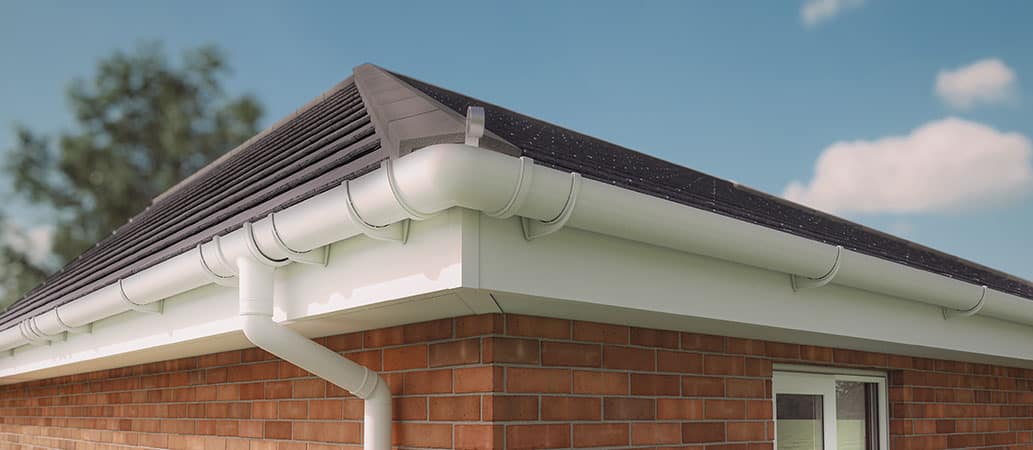
The correct fascia material can make your gutters last longer. It must be strong enough to support your gutters' weight, yet still look attractive. The material you choose should be resistant to corrosion, rust and insect damage. Common options include wood, aluminum and vinyl. Talk to a roofing professional in case you aren't certain of the type of material that is ideal for your roof.
Fascia boards can be stained, painted or stained, or matched to the exterior style of your home. They can also be coated with waterproof sealers to stop rot and wood decay. These products are available from many stores selling building supplies. They are also simple to install and can be bought in many colors.
It is important to measure the roof's gable and eaves to determine the amount of soffit or fascia you will require. Remove any old soffit or fascia boards to make room for the new materials.
Wood is the most popular material for fascia boards. It is a great option for homeowners who want an elegant look. However, it requires regular maintenance to keep it in good condition. It is also recommended to treat wood using an impervious stain or paint, especially in weather-heavy regions.
Typically, the cost of replacing or repair of a fascia board and soffit can range from $1,500-$5,000 for a typical one-story house with 250 linear feet of soffits and fascia. Employing a professional to complete this project ensures the correct installation and protects your home from pests and structural damage.
Fiber cement
Fascia boards guard the edges of your roof, keeping the gutters in place, and provide a finished appearance to your home. They also prevent moisture and pests from damaging the structure of your roof. However, choosing the right fascia board material is about the balance of aesthetics, budget maintenance, as well as the climate.
The wood fascia boards are easy to stain and paint. They are inexpensive and come in a variety of styles to match various architectural designs. They require regular maintenance in order to protect against pests and rot. Additionally, wooden soffits require periodic maintenance to ensure proper ventilation and keep out overgrowth.
Fiber cement fascia boards are a more durable option than their wood counterparts. They are also more aesthetically pleasing and resist pests, rot, and moisture better than other materials. They can also withstand harsh weather conditions, such as high winds and salted air. However, they are more expensive than aluminum and vinyl, and their installation can be labor-intensive.
While DIY (DIY) fascia board repair is possible, you should employ a licensed roofing contractor to ensure that the work is in compliance with the building codes as well as other requirements. Licensed roofing contractors are able to offer warranties and guarantees on workmanship. They also know the construction codes and permits which are crucial to a successful construction project.
When installing James Hardie Fascia, make sure to use an air-tight cut station, to allow installers to wipe off the dust immediately after cutting. If dust settles on the paint, it could cause the paint to degrade over time. This could lead to rotting, especially on the ends of the boards. To prevent this from happening it is recommended that your installers dip the edges of the boards in the finest quality of primer paint prior to installing them. This will allow the primer to penetrate the wood grain, preventing moisture from pulling it toward the ends.
greenwich Fascia and Soffit Replacement and soffit board in Lisburn BT67 0 is a significant upgrade that will protect your roofline from damage and enhance the appearance of your home. It is also easy to maintain and prevents the rot. It can also reduce the water damage caused by rainwater. This particular board is highly recommended if you reside in an area that is subject to extreme weather conditions. It is possible to find a good deal on this type of board and it will save your time and money in the long run.
There are many different types of soffit boards and fascia boards to choose from which include PVC wood composite, and fiber cement. The ideal material for your fascia and soffit depends on both your budget and your personal style preferences. PVC is the most commonly used material, since it's light, water-resistant, and available in many colors. It is also easy to install. However, you should employ a professional installer to ensure that the new fascia and soffit are securely fixed.
Start by measuring your house's eaves and gables to determine the amount of soffit or fascia you require. It is crucial to buy enough material to cover the entire roofline and to accommodate cuts and waste. In some cases you may have to remove the existing fascia and soffit to prepare the area for the installation.
If your roofline is in good condition, you can save money by covering the boards with uPVC. This process is called "over-capping." It costs about PS85 per linear metre. But, it is crucial to determine if the old timber fascias or soffits contain asbestos. If they are asbestos-containing it is recommended that an expert technician remove them.